

Saying “get well soon” gets old fast, especially when you send it to the same friend three times in one month. You want your words to sound like you, not like a card you grabbed off a drugstore shelf.
This guide gives you 20 fresh phrases for wishing someone a speedy recovery, plus tips on when each one fits. Whether you’re texting a coworker, calling your grandma, or writing a card for a friend after surgery, you’ll walk away with words that actually feel like yours.
What Does “Get Well Soon” Mean?
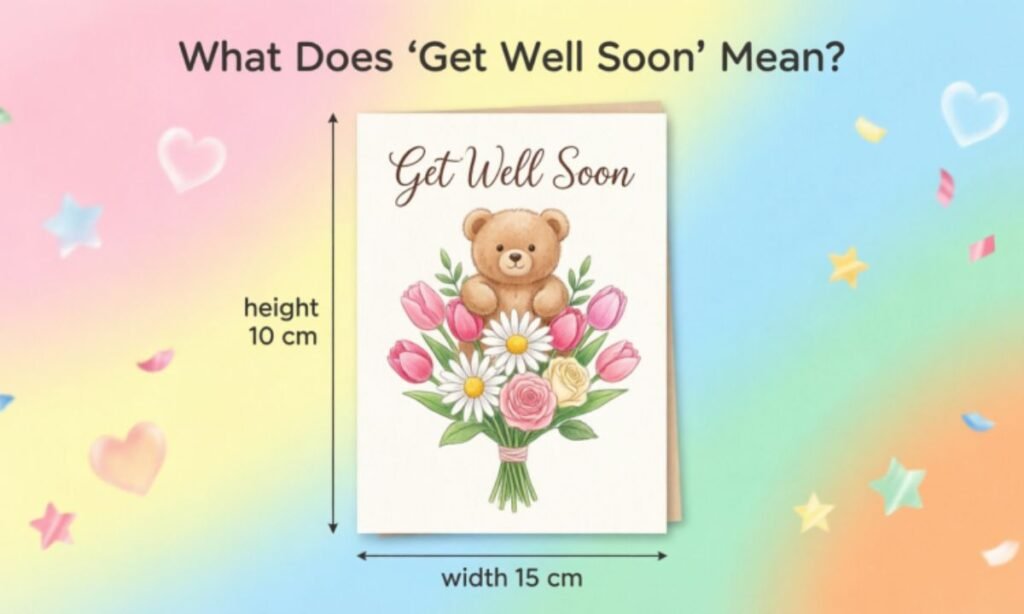
“Get well soon” is a short wish for someone’s quick recovery. You say it when someone is sick, hurt, or coming out of surgery. It tells them you’re thinking about their health and hoping they bounce back fast.
The phrase has been around for decades. It shows up on cards, in texts, and in office emails when a coworker calls in sick for a week. People reach for it because it’s short, safe, and everyone understands it right away.
But that’s also its weak spot. “Get well soon” doesn’t say much about how you feel. It’s a placeholder phrase, not a personal one. Think of it like saying “have a nice day” instead of telling someone what you actually hope their day looks like.
Most people say it without thinking twice, and that’s fine for a quick note. But if someone matters to you, a little more thought goes a long way.
Is It Professional/Polite to Say “Get Well Soon”?
Yes, “get well soon” is polite in almost every setting. You can say it to a boss, a client, a classmate, or a stranger on the bus who mentions they have the flu. It never sounds rude or out of place.
In work emails, it’s the safest option you have. It doesn’t get too personal, and it doesn’t require you to know much about the person’s situation. A quick “Get well soon, we miss you at the office” covers the bases.
The only downside is that it can feel a little flat in a formal setting where you want to sound more thoughtful, like a manager checking on a longtime employee after a hospital stay. In cases like that, a slightly longer message shows more care.
So keep “get well soon” in your back pocket for quick, low-stakes moments. Save the longer, warmer phrases below for people you want to make feel truly cared for.
ALSO READ THIS:20 Other Ways to Say “Please Correct Me If I’m Wrong” (With Examples)
Advantages and Disadvantages of Saying “Get Well Soon”
Before you swap it out completely, it helps to know what “get well soon” does well and where it falls short.
Advantages
● Short and easy to type, say, or write on a card
● Works in almost any relationship, from close friends to acquaintances
● Sounds polite without being too personal or too casual
● Everyone recognizes it instantly, no explaining needed
● Safe for professional emails and quick check-ins
Disadvantages
● Feels generic if you use it every single time
● Doesn’t show much personal connection or specific care
● Can come across as an afterthought, especially in a longer message
● Doesn’t leave much room to mention the person’s actual situation
● Overused in cards, texts, and social media comments, so it stands out less
Why You Need Alternatives to “Get Well Soon”
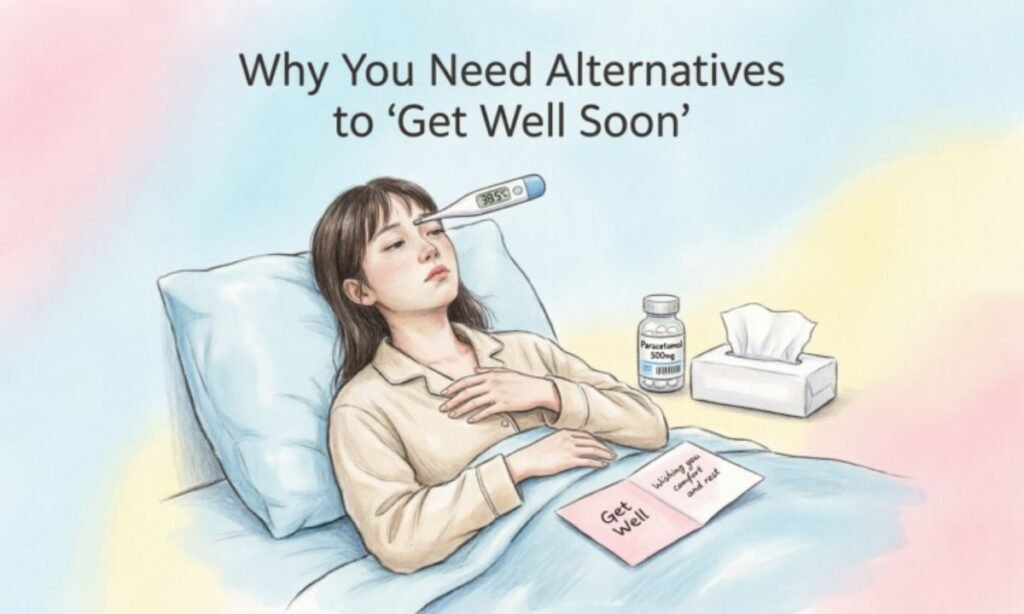
Words matter more when someone feels bad. A sick or recovering person notices when a message feels rushed versus when it feels real.
Using a fresh phrase shows you took a second to think about them specifically, not just fired off the first thing that came to mind. That small effort can lift someone’s mood on a rough day.
Alternatives also let you match the tone to the situation. A friend home with a cold needs something light and casual. A coworker recovering from surgery might need something warmer and more sincere. One phrase can’t do both jobs well.
Having a few backup phrases ready means you’re never stuck typing the same line over and over into every card, text, and email. Your well wishes start to sound like you mean them.
There’s also a practical side to this. Sick days, surgeries, and long recoveries often come with several check-ins over time. Repeating one line every few days can feel hollow, while a small mix of phrases keeps every message feeling fresh and sincere.
Tips for Choosing the Right Phrase
Picking the right words isn’t hard once you know what to look for. Keep these in mind before you hit send:
● Match the relationship. Close friends and family can handle warmer, more personal lines. Coworkers and acquaintances usually do better with something simple and polite.
● Think about how sick they are. A minor cold calls for something upbeat. A serious illness or surgery calls for gentler, more careful words.
● Consider the setting. A card allows a longer, heartfelt message. A text or quick chat message works better short and sweet.
● Add a personal detail if you can. Mention something specific, like their favorite show or a shared memory, to make the message feel like it’s really from you.
● Skip the humor unless you know them well. Jokes about being sick can land wrong if the person is dealing with something serious.
Full List of Alternatives
Here’s your quick reference list before we dig into each phrase with examples and context.
| # | Phrase | Best For |
| 1 | Wishing You a Speedy Recovery | Cards, formal messages |
| 2 | Hope You Feel Better Soon | Casual texts, coworkers |
| 3 | Sending Healing Thoughts Your Way | Close friends, family |
| 4 | Take All the Time You Need to Heal | Serious illness, surgery |
| 5 | Thinking of You and Hoping for Your Recovery | Family, close friends |
| 6 | Get Back on Your Feet Soon | Casual, upbeat tone |
| 7 | Take Good Care of Yourself | Any relationship |
| 8 | Rest Up and Feel Better | Texts, quick notes |
| 9 | Hoping Each Day Brings You Closer to Recovery | Long recovery, surgery |
| 10 | Sending You Strength and Healing | Serious illness |
| 11 | Feel Better Very Soon | Casual, everyday use |
| 12 | Wishing You Comfort and Rest | Hospital stays |
| 13 | Praying for Your Quick Recovery | Religious contexts |
| 14 | Hope You’re Back to Yourself Soon | Friends, family |
| 15 | Sending Lots of Love and Healing | Close relationships |
| 16 | Take It Easy and Recover Well | Casual, coworkers |
| 17 | Wishing You Strength Every Day | Long-term recovery |
| 18 | Looking Forward to Seeing You Healthy Again | Friends, coworkers |
| 19 | Hoping You’re Feeling Better Each Day | Ongoing illness |
| 20 | Wishing You a Smooth and Easy Recovery | Surgery, procedures |
Now let’s break each one down.
1. Wishing You a Speedy Recovery
This one sits closest to “get well soon” in meaning but sounds a bit more polished. It works well on cards and in formal emails to coworkers or clients.
Use it when you want something safe, polite, and easy to write quickly. It doesn’t require you to know much about what’s actually going on.
Example: “Wishing you a speedy recovery, John. The whole team hopes you’re back soon.”
2. Hope You Feel Better Soon
Simple and warm, this phrase fits almost any relationship. It’s the go-to for texting a friend with a cold or dropping a quick line to a classmate who’s out sick.
It doesn’t try too hard, which makes it a good pick when you’re not sure how serious the illness is.
Example: “Saw you weren’t in class today. Hope you feel better soon!”
3. Sending Healing Thoughts Your Way
This phrase leans emotional and works best with people you’re close to. It tells someone you’re thinking about their recovery process, not just wishing them well in passing.
Use it for a friend or family member going through something harder than a common cold.
Example: “Heard about the surgery. Sending healing thoughts your way, we’re all rooting for you.”
4. Take All the Time You Need to Heal
This one removes pressure. Instead of pushing someone to hurry up and get better, it tells them to heal on their own timeline.
It fits well when someone is dealing with a longer illness or a slow recovery, like after a major surgery or injury.
Example: “Don’t worry about work right now. Take all the time you need to heal.”
5. Thinking of You and Hoping for Your Recovery
Warm and sincere, this phrase works for close friends and family. It puts the focus on the person, not just their illness, which makes it feel more personal.
Save it for messages where you want to show real emotional support, not just a quick check-in.
Example: “Thinking of you and hoping for your recovery. Call me if you need anything at all.”
6. Get Back on Your Feet Soon
This phrase has a light, upbeat energy. It works great for casual texts to friends or coworkers dealing with something minor, like a sprained ankle or a bad cold.
Skip it for serious illnesses since the tone might feel too breezy for the situation.
Example: “Rest that ankle and get back on your feet soon, we need you at trivia night!”
7. Take Good Care of Yourself
Simple, kind, and easy to use with anyone. This phrase works well when you don’t know all the details of someone’s illness but still want to show you care.
It also fits nicely as a sign-off line at the end of a longer message.
Example: “Hope the flu clears up fast. Take good care of yourself this week.”
8. Rest Up and Feel Better
Short and to the point, this phrase works well in quick texts. It reminds the person to actually rest instead of pushing through their illness.
Use it with friends, family, or coworkers you talk to casually.
Example: “Rest up and feel better. I’ll cover your shift tomorrow if you need it.”
9. Hoping Each Day Brings You Closer to Recovery
This phrase fits longer illnesses or recoveries that stretch over weeks. It shows you understand healing takes time, rather than expecting a quick fix.
Use it for someone recovering from surgery, an accident, or a serious health issue.
Example: “Thinking about you every day. Hoping each day brings you closer to recovery.”
10. Sending You Strength and Healing
This one works well for someone facing a tough diagnosis or a hard recovery. It offers emotional support along with the wish for physical healing.
Use it for close friends or family members going through something difficult.
Example: “You’ve got this. Sending you strength and healing every single day.”
11. Feel Better Very Soon
A simple twist on the classic phrase, this one adds a bit of urgency and warmth without sounding forced. It fits casual, everyday messages.
Use it for coworkers, acquaintances, or anyone with a minor illness.
Example: “Sorry to hear you’re under the weather. Feel better very soon!”
12. Wishing You Comfort and Rest
This phrase works especially well for hospital stays or serious illness, where comfort matters as much as recovery. It shows you understand what the person needs most right now.
Use it when someone is dealing with pain or a difficult treatment.
Example: “Wishing you comfort and rest during your stay. We’re thinking about you.”
13. Praying for Your Quick Recovery
This phrase fits religious or faith-based relationships well. It shows spiritual support alongside your hope for the person’s health.
Use it with family, friends, or community members who share your faith background.
Example: “Our whole church is praying for your quick recovery, stay strong.”
14. Hope You’re Back to Yourself Soon
This phrase focuses on the whole person, not just their symptoms. It tells someone you miss who they normally are, energy and all.
Use it with friends and family you know well.
Example: “The house feels too quiet without you. Hope you’re back to yourself soon.”
15. Sending Lots of Love and Healing
Warm and affectionate, this phrase fits close relationships best, like family members or your closest friends. It leans emotional rather than formal.
Skip it for coworkers or acquaintances since it can feel too personal for that kind of relationship.
Example: “Sending lots of love and healing your way, Mom. Call me tonight if you can.”
16. Take It Easy and Recover Well
This phrase mixes casual tone with genuine care. It works well for coworkers or friends dealing with something minor to moderate.
Use it when you want to sound relaxed but still sincere.
Example: “Take it easy and recover well. The project can wait until you’re back.”
17. Wishing You Strength Every Day
This phrase fits longer recoveries or chronic illness, where the person needs ongoing encouragement instead of a one-time wish. It shows you’re in it with them for the long haul.
Use it for someone facing a tough, extended health situation.
Example: “Every day is a new step forward. Wishing you strength every day.”
18. Looking Forward to Seeing You Healthy Again
This phrase adds a hopeful, forward-looking touch. It tells the person you’re waiting for them, not just wishing them well from a distance.
Use it with friends, family, or coworkers you’ll actually see again soon.
Example: “The office isn’t the same without you. Looking forward to seeing you healthy again.”
19. Hoping You’re Feeling Better Each Day
This phrase acknowledges that recovery happens in small steps, not all at once. It fits ongoing illnesses where progress comes slowly.
Use it for check-in messages over several days or weeks.
Example: “Checking in again today. Hoping you’re feeling better each day, no rush at all.”
20. Wishing You a Smooth and Easy Recovery
This phrase fits well after surgery or a medical procedure. It focuses on the recovery process going without complications, rather than just wishing someone health in general.
Use it right before or right after a scheduled procedure.
Example: “Thinking about you today. Wishing you a smooth and easy recovery from surgery.”
How to Personalize Your Get Well Message
A phrase from this list works even better once you add your own touch. Here’s how to make any of these 20 options feel more personal:
● Add a memory. Mention a fun moment you shared, like a trip or an inside joke.
● Offer something specific. Instead of “let me know if you need anything,” say “I’ll drop off soup Wednesday.”
● Use their name. A message that says “Get well soon, Priya” feels warmer than one with no name at all.
● Match their sense of humor. If they love jokes, a light one can help, as long as their illness isn’t serious.
● Follow up later. A second message a few days later shows you’re still thinking about them, not just sending one text and moving on.
Common Mistakes to Avoid When Sending Get Well Wishes
Even a kind message can miss the mark if it leans on the wrong words or tone. Watch out for these common slip-ups:
● Making jokes too soon. Humor can lighten the mood for a mild cold, but it can feel careless if someone just had surgery or received tough news.
● Being too vague. “Let me know if you need anything” sounds nice, but most people won’t ask. Offer something specific instead, like a ride to a follow-up appointment.
● Comparing illnesses. Saying “I had that once, it wasn’t so bad” can come across as dismissive, even if you mean well.
● Sending one message and disappearing. A single text at the start of a long recovery isn’t the same as checking in again a week later.
● Copying the exact same line for everyone. A boss, a best friend, and a grandparent don’t need identical wording. Swap in a phrase that fits each relationship.
Avoiding these habits takes little effort, but it makes your message land the way you actually intended.
Get Well Messages by Relationship
Different relationships call for different tones. Here’s a quick breakdown:
| Relationship | Tone | Example Phrase |
| Close friend | Warm, casual | Sending lots of love and healing |
| Coworker | Polite, brief | Wishing you a speedy recovery |
| Family member | Personal, sincere | Thinking of you and hoping for your recovery |
| Boss or client | Formal, respectful | Wishing you a smooth and easy recovery |
| Acquaintance | Simple, kind | Hope you feel better soon |
Frequently Asked Questions
Is “get well soon” too casual for a work email?
No, it’s fine for work emails, though pairing it with a specific detail sounds more thoughtful.
What do you say instead of “get well soon” for a serious illness?
Try “sending you strength and healing” or “take all the time you need to heal.”
Can you say “get well soon” to a boss?
Yes, it’s polite and appropriate in almost every professional setting.
What’s a good get well message for a card?
“Wishing you a speedy recovery” or “wishing you comfort and rest” both work well for cards.
Should I send a get well message by text or card?
Texts work for quick, casual check-ins. Cards feel more thoughtful for serious illness or surgery.
Is it okay to send a get well message on social media?
Yes, a short comment works fine for casual updates, though a private message feels more personal for close friends and family.
How soon should you send a get well message?
As soon as you hear the news. A quick note the same day means more than a longer one sent a week later.
Final Thoughts
You don’t need to say “get well soon” every single time someone feels under the weather. These 20 phrases give you real options for every relationship and situation, from a quick text to a heartfelt card.
Pick the one that matches how you actually feel, add a personal touch, and send it. A little extra thought turns a routine message into one that genuinely makes someone’s day better.