


Finding the right words can make your Sunday greetings feel more warm and personal. 20 Other Ways to Say “Happy Sunday” (With Examples) helps you discover simple and natural phrases for different situations.
Whether you are talking to friends, family, or colleagues, using different greetings keeps your messages fresh. These alternatives can help you share positive wishes in an easy and friendly way.
In this guide, 20 Other Ways to Say “Happy Sunday” (With Examples) gives you useful phrases along with clear examples. You can choose the best expression based on your relationship and situation.
What Does “Happy Sunday” Mean?
“Happy Sunday” is a friendly greeting used to wish someone a pleasant, relaxing, or joyful day at the start of the week’s final rest day. It’s typically used to:
- Spread positivity and good energy
- Wish someone rest and recovery after a busy week
- Start a casual conversation on a warm note
- Show thoughtfulness in texts, emails, or social posts
It carries no religious or formal weight by default — it’s simply a light, cheerful way of acknowledging the day and wishing someone well.
Is It Professional/Polite to Say “Happy Sunday”?
Yes, “Happy Sunday” is generally polite and acceptable in most casual and semi-professional settings, such as friendly work chats, client check-ins, or social media captions.
However, it can feel slightly too casual for:
- Formal business emails
- First-time client communication
- Corporate announcements
In these cases, a more neutral phrase like “Wishing you a pleasant Sunday” or “Hope you’re having a restful weekend” tends to sound more polished while still being warm.
Advantages and Disadvantages of Saying “Happy Sunday”
| Advantages | Disadvantages |
| Quick, simple, and easy to say | Can feel generic if overused |
| Universally understood and friendly | May not reflect a personal connection |
| Sets a positive tone for conversations | Doesn’t convey specific emotions like gratitude or encouragement |
| Works well across texts, emails, and social posts | Can sound repetitive in weekly messages to the same person |
| Requires no explanation or context | May feel too casual for formal settings |
Why You Need Alternatives to “Happy Sunday”
Repeating the same phrase week after week can make your greetings feel automatic instead of genuine. Using alternatives helps you:
- Sound more thoughtful and intentional
- Match your tone to the relationship (friend, family, coworker, client)
- Avoid sounding robotic or repetitive in recurring messages
- Add variety to social media captions and newsletters
- Build stronger, more expressive communication skills
A well-chosen phrase shows the other person that your message wasn’t copy-pasted — it was written with them in mind.
Tips for Choosing the Right Phrase
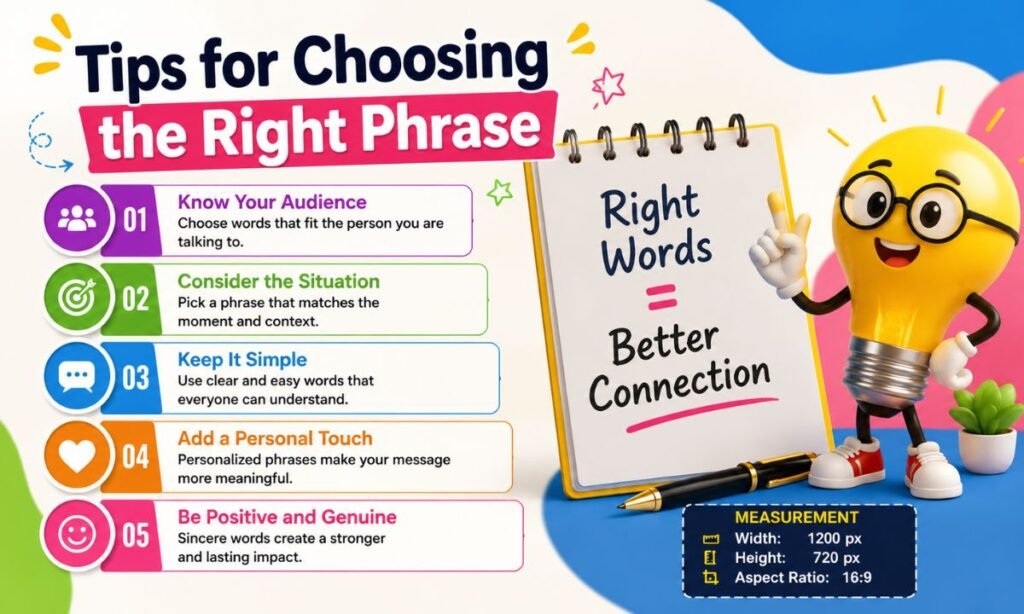
Before picking a greeting, consider these quick tips:
- Know your audience – A phrase like “Sunday Hugs to You” works for close friends but not for a client.
- Match the tone to the platform – Social captions can be playful; emails should stay a bit more polished.
- Consider the relationship – Family and friends welcome warmth; colleagues prefer neutral positivity.
- Avoid repetition – Rotate your phrases so messages don’t feel copy-pasted.
- Add a personal touch – Pair the greeting with a specific wish, like rest, family time, or relaxation.
ALSO READ THIS:It’s Called vs It Called vs Its Called: The Complete Guide
Complete List of Alternatives
| # | Phrase | Best For |
| 1 | Wishing You a Joyful Sunday | Friends, family |
| 2 | Have a Relaxing Sunday | Coworkers, casual texts |
| 3 | Enjoy Your Sunday | Everyday use |
| 4 | Sunday Blessings to You | Spiritual or close relationships |
| 5 | Have a Fun-Filled Sunday | Friends, kids, social posts |
| 6 | Wishing You Peaceful Moments | Close friends, self-care context |
| 7 | Cheers to a Beautiful Sunday | Social media, casual notes |
| 8 | Sunday Smiles to You | Friends, family |
| 9 | Have a Restful Sunday | Coworkers, tired friends |
| 10 | May Your Sunday Shine | Uplifting messages |
| 11 | Warm Sunday Wishes | Semi-formal, greeting cards |
| 12 | Wishing You a Blessed Sunday | Spiritual, family |
| 13 | Hope Your Sunday is Lovely | Friends, polite texts |
| 14 | A Joyous Sunday to You | Celebratory messages |
| 15 | Wishing You a Sunday Full of Smiles | Friends, social captions |
| 16 | Hope You Have a Serene Sunday | Calm, reflective tone |
| 17 | Sunday Cheers to You | Casual, toast-like tone |
| 18 | May Your Sunday Be Wonderful | General-purpose |
| 19 | Wishing You a Relaxing Sunday Afternoon | Midday check-ins |
| 20 | Sunday Hugs to You | Close friends, family |
Now let’s look at each phrase in detail.
1. Wishing You a Joyful Sunday
Meaning: A heartfelt wish for happiness and positivity on Sunday.
Tone: Warm, sincere
Example: “Wishing you a joyful Sunday filled with good food and better company.”
Best Use: Texts to friends, family, or on greeting cards.
2. Have a Relaxing Sunday
Meaning: A wish for rest and stress-free time.
Tone: Calm, friendly
Example: “Have a relaxing Sunday — you’ve earned it after this week.”
Best Use: Coworkers, casual conversations, or after a busy week.
3. Enjoy Your Sunday
Meaning: A simple encouragement to make the most of the day.
Tone: Friendly, neutral
Example: “Enjoy your Sunday! Hope you get to do something you love.”
Best Use: Everyday texts, emails, and social captions.
4. Sunday Blessings to You
Meaning: A spiritual or heartfelt way to wish someone well.
Tone: Warm, spiritual
Example: “Sunday blessings to you and your family — hope it’s peaceful.”
Best Use: Family, close friends, or faith-based communities.
5. Have a Fun-Filled Sunday
Meaning: A wish for an enjoyable, activity-packed day.
Tone: Upbeat, energetic
Example: “Have a fun-filled Sunday with the kids at the park!”
Best Use: Friends, family, or social media posts.
6. Wishing You Peaceful Moments
Meaning: A wish focused on calm and quiet reflection.
Tone: Gentle, soothing
Example: “Wishing you peaceful moments this Sunday, away from all the noise.”
Best Use: Close friends or anyone needing rest and self-care.
7. Cheers to a Beautiful Sunday
Meaning: A toast-like expression celebrating the day.
Tone: Cheerful, slightly informal
Example: “Cheers to a beautiful Sunday and an even better week ahead!”
Best Use: Social media captions or casual group chats.
8. Sunday Smiles to You
Meaning: A playful wish for happiness and good moods.
Tone: Light, cheerful
Example: “Sending Sunday smiles to you — hope your day is bright.”
Best Use: Friends, family, or upbeat social posts.
9. Have a Restful Sunday
Meaning: A wish for recovery and downtime.
Tone: Caring, gentle
Example: “Have a restful Sunday — take it slow today.”
Best Use: Coworkers, tired friends, or after a demanding week.
10. May Your Sunday Shine
Meaning: A poetic wish for a bright, positive day.
Tone: Uplifting, expressive
Example: “May your Sunday shine with good news and better vibes.”
Best Use: Personal messages, greeting cards, or social captions.
11. Warm Sunday Wishes
Meaning: A polished, affectionate greeting.
Tone: Warm, semi-formal
Example: “Warm Sunday wishes to you and yours.”
Best Use: Greeting cards, newsletters, or semi-formal notes.
12. Wishing You a Blessed Sunday
Meaning: A wish for happiness paired with spiritual meaning.
Tone: Spiritual, sincere
Example: “Wishing you a blessed Sunday full of peace and gratitude.”
Best Use: Family, spiritual communities, or close relationships.
13. Hope Your Sunday is Lovely
Meaning: A gentle, polite wish for a pleasant day.
Tone: Soft, considerate
Example: “Hope your Sunday is lovely — enjoy the slow start.”
Best Use: Friends, polite texts, or casual work chats.
14. A Joyous Sunday to You
Meaning: A celebratory wish for happiness.
Tone: Festive, warm
Example: “A joyous Sunday to you — make it a good one!”
Best Use: Celebrations, holidays falling on a Sunday, or festive messages.
15. Wishing You a Sunday Full of Smiles
Meaning: A cheerful wish focused on happiness throughout the day.
Tone: Bright, friendly
Example: “Wishing you a Sunday full of smiles and good company.”
Best Use: Friends, family, or social media captions.
16. Hope You Have a Serene Sunday
Meaning: A wish for calm, quiet, and peaceful energy.
Tone: Calm, reflective
Example: “Hope you have a serene Sunday — perfect for slowing down.”
Best Use: Personal messages or creative, reflective writing.
17. Sunday Cheers to You
Meaning: A toast-style expression of goodwill.
Tone: Casual, stylish
Example: “Sunday cheers to you — here’s to a stress-free week ahead.”
Best Use: Social captions, casual notes, or group chats.
18. May Your Sunday Be Wonderful
Meaning: A broad, warm wish for a great day overall.
Tone: Friendly, versatile
Example: “May your Sunday be wonderful, start to finish.”
Best Use: General-purpose greetings for almost anyone.
19. Wishing You a Relaxing Sunday Afternoon
Meaning: A time-specific wish for rest later in the day.
Tone: Thoughtful, gentle
Example: “Wishing you a relaxing Sunday afternoon after a busy morning.”
Best Use: Midday check-ins or afternoon messages.
20. Sunday Hugs to You
Meaning: An affectionate, warm greeting.
Tone: Cozy, personal
Example: “Sunday hugs to you — miss you lots!”
Best Use: Close friends, family, or partners.
Frequently Asked Questions
Is “Happy Sunday” too casual for work emails?
It can be. For formal emails, “Wishing you a pleasant Sunday” is a safer choice.
Can I use these phrases on social media?
Yes, most of these alternatives work well as captions or story text.
Which phrase works best for clients?
“Wishing You a Blessed Sunday” or “Hope Your Sunday is Lovely” sound polite and neutral.
Do these greetings work internationally?
Yes, since Sunday is widely recognized as a rest day in most English-speaking cultures.
Should I change my greeting every week?
It’s not required, but rotating phrases keeps your messages feeling genuine and personal.
Conclusion
“Happy Sunday” is a simple, effective greeting, but it doesn’t have to be your only option. With these 20 alternatives, you can match your tone to the relationship, the platform, and the mood you want to create — whether that’s playful, spiritual, relaxed, or professional. Pick a phrase that fits the moment, and your Sunday greetings will feel fresh, thoughtful, and genuinely warm every time.