

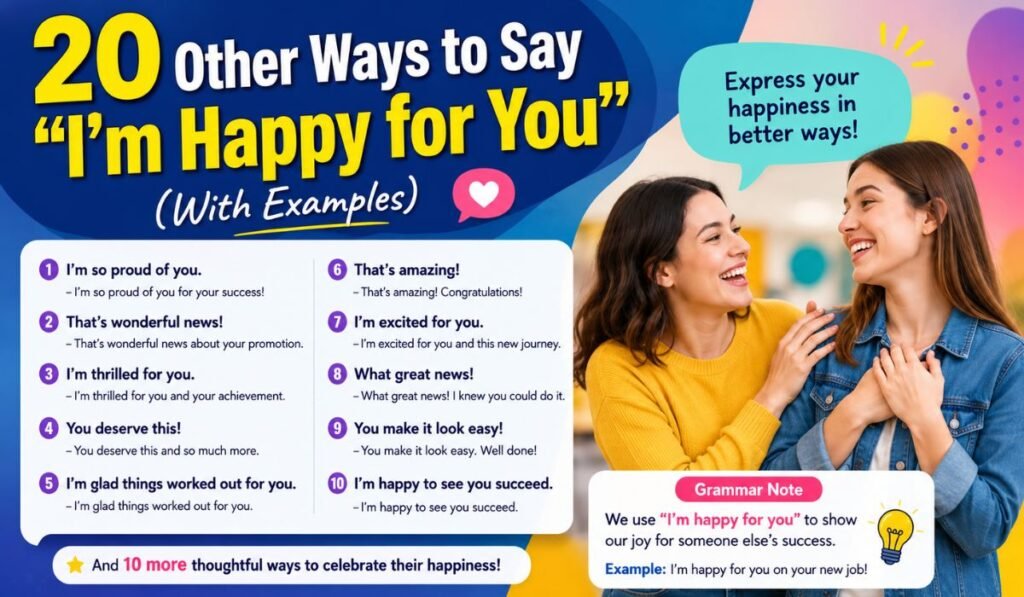
You just got a text from your best friend. She got the job. Or your cousin is engaged. Or a coworker landed a promotion you know they worked hard for. Your fingers hover over the keyboard and out comes the same line you always type: “I’m happy for you.”
It’s true. It’s warm. But it’s also the phrase you used last week, and the week before that. This guide gives you 20 fresh, natural alternatives so your genuine happiness actually sounds like it, every single time.
What Does “I’m Happy for You” Mean?

At its core, “I’m happy for you” means you feel joy because someone else is experiencing something good. Not because it benefits you. Not because you’re jealous and hiding it. Just plain, uncomplicated gladness on their behalf.
It’s an empathetic phrase. You’re stepping outside your own life for a second to celebrate someone else’s win. A promotion, a new baby, a graduation, even small stuff like finding a great parking spot after a long week. All of it counts.
Linguists call this kind of statement other-oriented emotion. You’re not talking about your own feelings in isolation. You’re tying your emotional state directly to someone else’s good news. That’s what makes the phrase land as caring instead of generic.
Is It Professional/Polite to Say “I’m Happy for You”?
Yes. “I’m happy for you” is polite in almost every setting, casual or formal. It doesn’t carry sarcasm, doesn’t sound cold, and doesn’t overstep any boundary.
That said, in a professional setting, like an email to your manager or a message in a client thread, it can sound a little too personal or a little too plain depending on the relationship. A phrase like “Congratulations on this achievement” or “Delighted to hear this news” often reads as more polished without losing the warmth.
Here’s the simple rule: with close friends and family, keep it casual and heartfelt. With coworkers, clients, or people you don’t know well, lean toward phrases that sound composed but still genuine. You’ll see both types below.
Why You Need Alternatives to “I’m Happy for You”
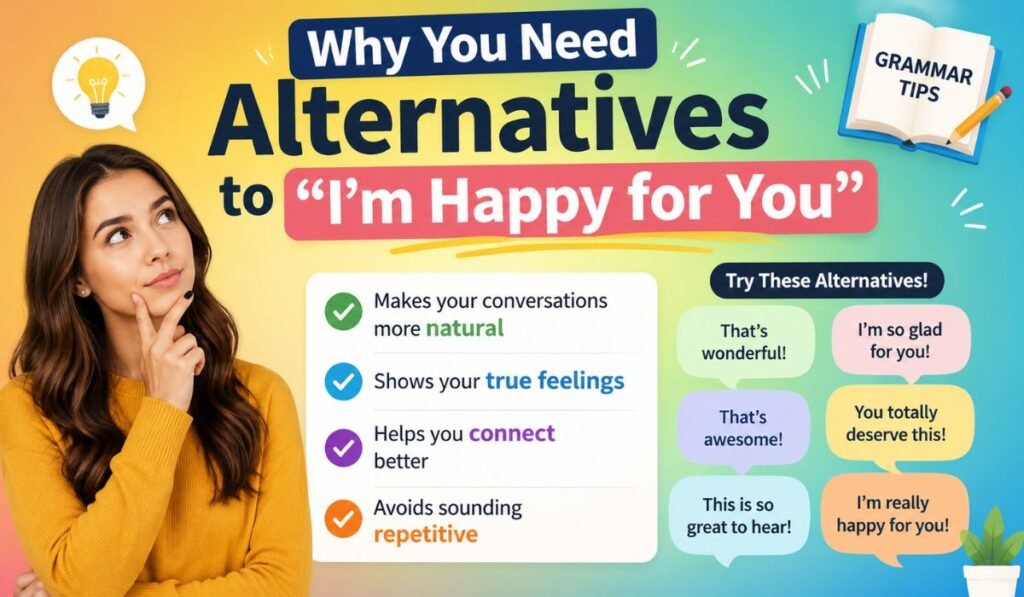
Say the same sentence enough times and it starts to sound like autopilot, even when you mean every word. That’s the real problem. Repetition drains sincerity, even from a true statement.
Alternatives also let you match the size of the moment. A friend passing a driving test and a friend getting married don’t call for the same energy. “I’m pleased for you” fits the first. “I couldn’t be happier for you” fits the second.
There’s also a practical reason. Different relationships and different occasions call for different tones. A quick text to a college roommate can be playful. A note to your boss’s boss should sound composed. Having a few phrases ready means you’re never caught typing the same six words on repeat, wondering if it sounds fake this time.
Tips for Choosing the Right Phrase
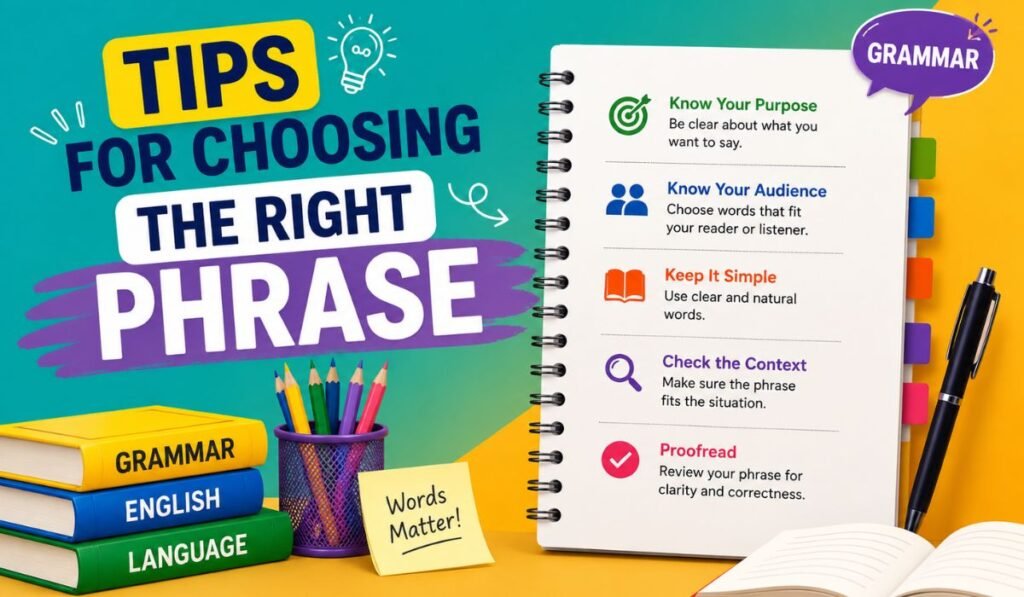
Before you scroll to the list, here’s how to pick the right line in ten seconds flat.
● Match the size of the news. Small wins get simple phrases. Big life events deserve bigger, more emotional language.
● Think about your relationship. Close friends can handle playful phrases like “on cloud nine for you.” Coworkers usually respond better to something like “pleased for you” or “delighted for you.”
● Read the room, or the chat. If they’re being humble about it, match that energy instead of going overboard.
● Say it, don’t just type it, when you can. Tone of voice carries warmth that text sometimes loses.
● Add a reason. “I’m thrilled for you, you’ve worked toward this for years” hits harder than the phrase alone.
● Skip the phrase entirely if it feels forced. Sometimes “This made my whole day” says more than any formal line.
Complete List of Alternatives
Here’s a quick-glance table before the full breakdown. Use it to pick fast, then jump to the section below for examples and context.
| # | Phrase | Best For | Tone |
| 1 | Thrilled for You | Big personal wins | Casual, energetic |
| 2 | Overjoyed for You | Life milestones | Warm, emotional |
| 3 | Delighted for You | Work or formal settings | Professional |
| 4 | Excited for You | Everyday good news | Casual |
| 5 | Ecstatic for You | Major achievements | High energy |
| 6 | Joyful for You | Family or personal news | Heartfelt |
| 7 | Pleased for You | Office or client news | Formal, polite |
| 8 | Charmed for You | Sweet, small moments | Gentle |
| 9 | Over the Moon for You | Engagements, big surprises | Playful |
| 10 | On Cloud Nine for You | Dream-come-true moments | Fun, expressive |
| 11 | Elated for You | Achievements after hard work | Sincere |
| 12 | Happy to Hear That | Any casual update | Neutral, easy |
| 13 | Heartfelt Congratulations | Weddings, graduations | Formal, warm |
| 14 | So Glad for You | Friends and family | Casual, sincere |
| 15 | That’s Wonderful News! | Quick reactions | Upbeat |
| 16 | I’m Overjoyed by Your Success | Career wins | Professional, warm |
| 17 | It Warms My Heart | Emotional or personal moments | Tender |
| 18 | Cheers to You | Celebrations, toasts | Social, fun |
| 19 | I Couldn’t Be Happier for You | Deep personal connections | Strong, sincere |
| 20 | I Share in Your Joy | Meaningful life events | Poetic, warm |
1. Thrilled for You
“Thrilled” pushes past plain happiness into real excitement. It works when someone shares news that genuinely surprises or impresses you.
Example: “You got the apartment? I’m thrilled for you, that view is going to be amazing.”
Use this with friends, siblings, or anyone whose reaction you don’t need to filter. It reads energetic and doesn’t fit a stiff email.
2. Overjoyed for You
This one signals happiness that goes beyond the surface. It’s the phrase you reach for when someone shares life-changing news, not just a good day.
Example: “You’re expecting? I am overjoyed for you both.”
Save it for weddings, pregnancies, adoptions, or long-awaited good news. Using it for small stuff, like a coffee shop discount, dilutes it fast.
3. Delighted for You
“Delighted” carries a polished, professional feel without sounding stiff. It’s a safe pick for coworkers, clients, or acquaintances.
Example: “I’m delighted for you on the new role. Well deserved.”
This phrase shows up often in workplace emails because it’s warm enough to feel human, but composed enough for a formal thread.
4. Excited for You
Simple, direct, and easy to say out loud. “Excited” fits almost any context, casual or semi-formal, and doesn’t require a big emotional buildup.
Example: “I’m so excited for you, tell me everything about the new job!”
It also works well paired with a follow-up question, since it naturally invites the other person to share more details.
5. Ecstatic for You
This is the loudest phrase on the list. Use it for genuinely huge news, an engagement, a dream job, a first home.
Example: “You bought a house?! I’m absolutely ecstatic for you!”
Because the tone runs high, save this one. Using it for every small update makes it lose its punch fast.
6. Joyful for You
“Joyful” feels a bit softer and more reflective than “excited” or “thrilled.” It suits family messages, cards, or moments that call for sincerity over hype.
Example: “Reading your message filled me with joy. I am so joyful for you and your family.”
It works especially well in written notes, like a card for a wedding or a new baby, where a calmer tone fits the moment.
7. Pleased for You
This is one of the most formal alternatives on the list. It fits well in a workplace email, a client message, or any setting where you want warmth without informality.
Example: “I’m very pleased for you on this well-earned promotion.”
It sounds composed rather than distant, which makes it a strong default for professional messages.
8. Charmed for You
Less common, but genuinely lovely for small, sweet moments. Think of a friend adopting a pet, finding a cute apartment, or sharing a small win.
Example: “That story about how you two met is adorable, I’m charmed for you.”
It’s not the phrase for major career news. Save it for the softer, quieter kind of good news.
9. Over the Moon for You
This idiom means extremely happy, and most people already know it, which makes it feel natural rather than showy.
Example: “An engagement?! I’m over the moon for you two.”
It fits playful, casual conversations best, especially texts and social media comments.
10. On Cloud Nine for You
Another idiom meaning pure happiness or elation. It leans slightly more poetic than “over the moon” and reads well in longer messages.
Example: “Since you told me the good news, I’ve been on cloud nine for you all day.”
Use it in messages where you want to show that their happiness is genuinely affecting your mood too.
11. Elated for You
“Elated” sounds a touch more literary than “excited” or “thrilled,” which makes it useful when you want the message to feel sincere and considered.
Example: “I’m elated for you after everything you’ve worked toward this year.”
It pairs especially well with a nod to their effort, since the word already implies the happiness is earned.
12. Happy to Hear That
This is the easiest, lowest-pressure alternative on the list. It works in nearly any casual exchange and doesn’t require matching a big emotional tone.
Example: “You finished the marathon? Happy to hear that, congrats!”
Because it’s neutral, it also works well when you’re not sure how big a deal the news is to the other person.
13. Heartfelt Congratulations
This phrase blends celebration with sincerity. It’s a strong pick for weddings, graduations, retirements, or any milestone event.
Example: “Heartfelt congratulations on your graduation. Your family must be so proud.”
It reads well in cards, formal messages, and speeches, anywhere you want warmth with a bit of ceremony.
14. So Glad for You
Casual, warm, and easy to say without overthinking it. This phrase feels like something you’d say in person, which makes it great for close friends and family.
Example: “I’m so glad for you, you’ve wanted this for so long.”
It also works well as a quick text reply when you don’t have time to write a longer message but still want to show you mean it.
15. That’s Wonderful News!
Sometimes the simplest reaction lands best. This phrase skips the “I’m happy” structure entirely and reacts to the news itself.
Example: “That’s wonderful news! When do you start?”
It’s a great opener before you add a more personal line, since it reacts fast and invites more conversation.
16. I’m Overjoyed by Your Success
A slightly more formal cousin of “overjoyed for you,” this phrase works especially well for career achievements, awards, or public recognition.
Example: “I’m overjoyed by your success. This award is so deserved.”
Use it in LinkedIn comments, work emails, or public congratulations where you want warmth that still sounds professional.
17. It Warms My Heart
This phrase focuses on the emotional impact their news has on you, which makes it feel deeply personal and sincere.
Example: “It warms my heart to see you this happy. You deserve it.”
It fits family messages, close friendships, or any moment where you want to show real emotional connection, not just a polite reaction.
18. Cheers to You
Short, social, and celebratory. This phrase works especially well out loud, at a toast, dinner, or celebration, but it also lands well in a quick text.
Example: “Cheers to you and your new job! Drinks are on me this weekend.”
It’s less about deep emotion and more about celebration, so use it when the mood calls for fun over sincerity.
19. I Couldn’t Be Happier for You
This phrase carries strong emotional weight and works best with people you’re genuinely close to, since it implies a deep personal investment in their happiness.
Example: “I couldn’t be happier for you, you’ve earned every bit of this.”
It’s a strong pick for major life events like weddings, new homes, or long-awaited career wins.
20. I Share in Your Joy
This is the most poetic phrase on the list. It works beautifully in written messages, cards, or speeches where you want the language to feel a little more elevated.
Example: “As you celebrate this milestone, know that I share in your joy completely.”
Save it for meaningful life events rather than everyday chat, since the tone runs more formal and reflective than the others.
FAQs
Is “I’m happy for you” too casual for a work email?
Not really, but “delighted” or “pleased for you” often sound more polished in a professional message.
What’s a short way to say it in a text?
“So glad for you” or “That’s wonderful news!” both work well for quick replies.
Can I use idioms like “over the moon” in formal writing?
It’s better to save idioms for casual chats and use plainer phrases like “delighted” in formal writing.
What should I say for a friend’s engagement?
“I’m over the moon for you” or “I couldn’t be happier for you” both fit the excitement of an engagement well.
Is it okay to add emojis when saying I’m happy for someone?
Yes, in casual texts or social media, emojis add warmth. Skip them in formal emails.
What’s a good phrase for a coworker’s promotion?
“I’m delighted for you” or “I’m overjoyed by your success” both sound professional and sincere.
How do I make the phrase sound less repetitive in a group chat?
Rotate between a few alternatives, like “thrilled for you” one time and “so glad for you” the next, so it doesn’t read like a copy-paste reply.
Can these phrases work for small, everyday wins?
Yes. “Happy to hear that” and “excited for you” both fit small good news without feeling like too much.
Conclusion
Saying “I’m happy for you” will never go out of style, but leaning on the same six words every time can make real joy sound routine. These 20 alternatives give you a phrase for every kind of good news, from a friend’s small win to a once-in-a-lifetime milestone. Pick based on your relationship, the size of the moment, and how personal you want the message to feel. The right words, even a small shift in phrasing, can make someone feel truly celebrated instead of just acknowledged.